Practical guidance for planning and coordinating event photography and videography coverage.
When to handle key photography-related tasks during event planning.
Contact photographers to check availability for your date. Review portfolios, discuss coverage style, and compare packages. Popular dates book early, especially during peak wedding season.
Meet with your photographer to discuss specific requirements, must-have shots, family groupings, and timeline coordination. Share venue details and any special considerations.
Finalize your event timeline and share it with your photographer. Confirm arrival times, key moment timing, and any last-minute changes to plans.
Final check-in with your photographer to confirm all details, address any last-minute questions, and ensure everyone has current contact information.
How to prepare for smooth photography coverage on your event day.
Schedule extra time in your timeline for photography. Formal portraits, family photos, and group shots often take longer than expected. A rushed timeline leads to missed shots and stressed participants.
Prepare a list of important family groupings and specific shots you want. Share this with your photographer in advance so they can plan accordingly and ensure no important combinations are missed.
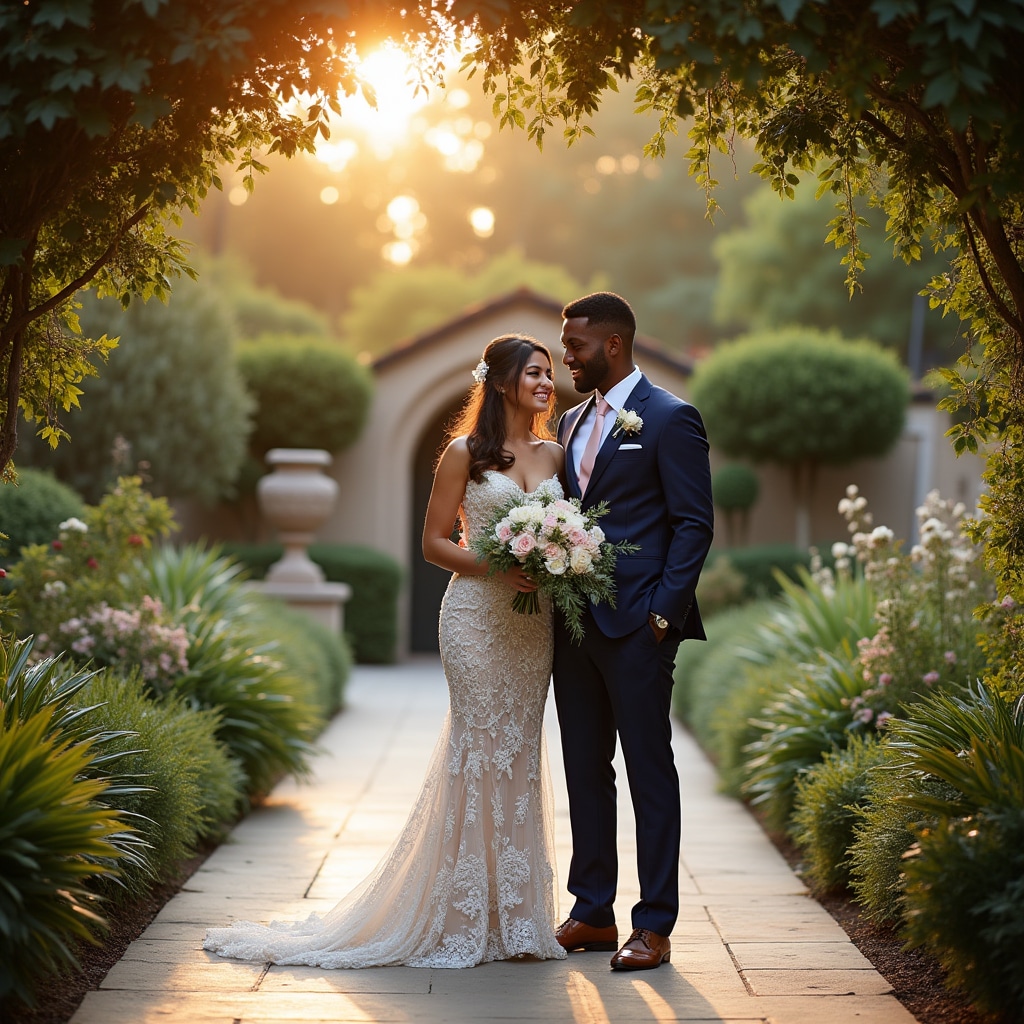
Think about lighting when scheduling outdoor photos. Harsh midday sun creates unflattering shadows. Golden hour (the hour before sunset) provides beautiful natural light for outdoor portraits.
Identify attractive spots at your venue for portraits and group photos. Share these ideas with your photographer, who can assess lighting and suggest additional locations you might not have considered.
Assign someone (not you) to help gather people for family photos. This person should know family members and be able to quickly locate people when needed for group shots.
For outdoor events, discuss backup plans with your photographer. Identify indoor locations that could work for portraits if weather doesn't cooperate. Flexible thinking helps salvage photo opportunities.
Specific guidance for couples planning wedding photography coverage.
If you want getting ready photos, ensure preparation spaces have good natural light. Clear clutter from backgrounds. Hang your dress in an attractive location before the photographer arrives. Detail shots of rings, shoes, and accessories look better against clean, uncluttered surfaces.
Coordinate timing so both partners finish preparations around the same time. This prevents one photographer from waiting while the other shoots, maximizing coverage efficiency.

A first look (seeing each other before the ceremony) allows more time for couple portraits and reduces stress. It also means you can take all family photos before the ceremony, freeing up time for cocktail hour.
If you prefer a traditional first look at the ceremony, plan extra time after the ceremony for portraits. Guests will wait during cocktail hour while you take photos.
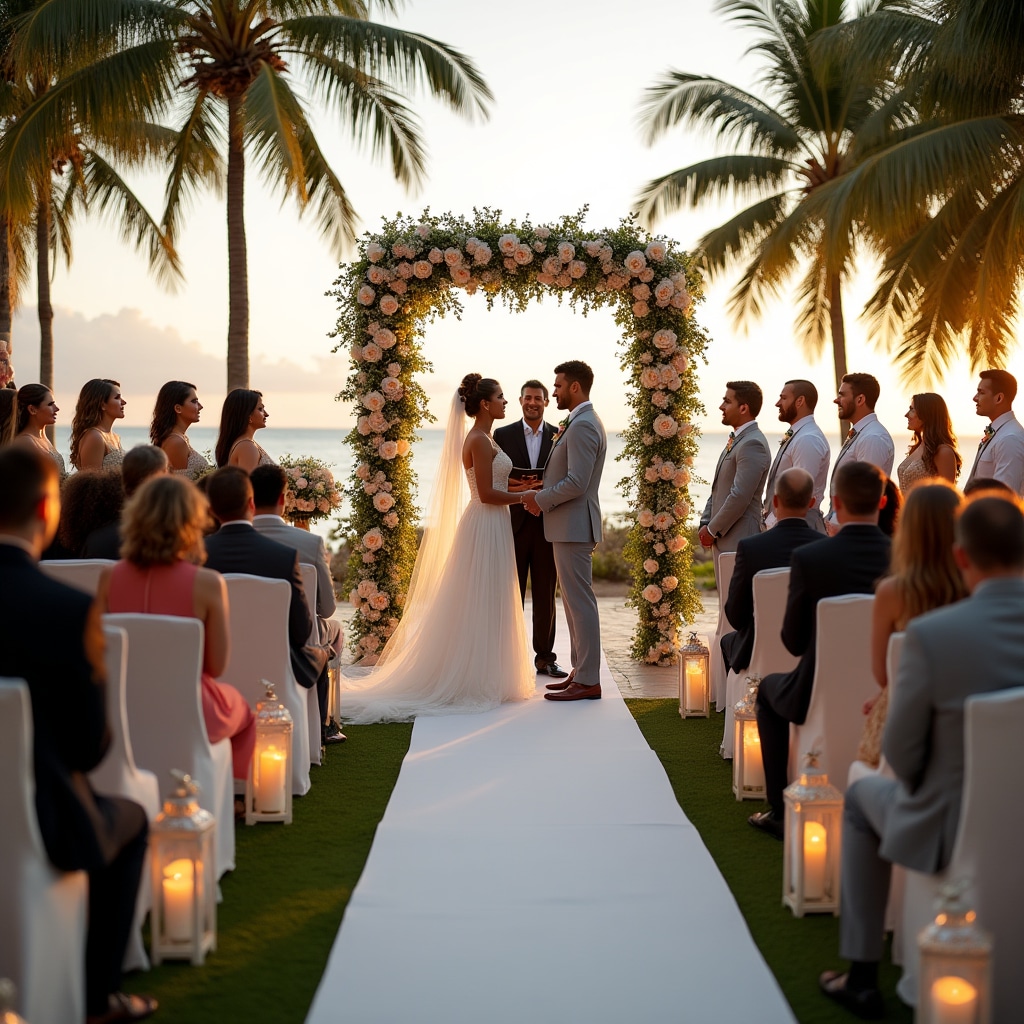
Discuss ceremony photography rules with your officiant and venue. Some churches restrict photographer movement during ceremonies. Understanding these limitations helps your photographer plan appropriate coverage positions.
Consider an unplugged ceremony (asking guests not to use phones/cameras). This prevents guests blocking the photographer's view and ensures everyone experiences the moment rather than watching through screens.
Guidance for businesses planning event documentation.
Clarify what you need photos for: social media, internal communications, marketing materials, or historical records. Different uses require different coverage approaches and editing styles.
Share brand guidelines with your photographer including logo usage, color preferences, and any visual standards that should be maintained in event documentation.
Create a list of important moments: keynote speeches, award presentations, executive appearances, product demonstrations, and networking sessions. Ensure your photographer knows who the important people are.
Provide name spellings and titles for key individuals so photos can be properly captioned if needed for publications or press releases.
Plan photo opportunities that showcase your branding: step-and-repeat backgrounds, branded signage, product displays, and company logos. These elements make photos more useful for marketing purposes.
Coordinate with your event designer to ensure branded elements are well-lit and positioned for effective photography.
Discuss delivery timelines early. Some corporate events need quick turnaround for social media or press releases. Express these needs during booking so your photographer can plan accordingly.
Rapid delivery might require additional editing staff or affect pricing. Clear communication prevents mismatched expectations.
How to work effectively with your event photographer.
Share examples of photos you like and explain what appeals to you. This helps photographers understand your aesthetic preferences. Also share examples of styles you don't want.
While you should communicate preferences, trust your photographer's expertise about technical decisions like lighting, positioning, and timing. They know what works photographically.
Provide contact information for your event coordinator, venue manager, and other key vendors. This allows your photographer to coordinate directly if needed on the event day.
Professional editing takes time. Your contract specifies delivery timelines. Avoid requesting early delivery unless discussed and agreed upon in advance, as this may incur additional fees.
What to expect during editing and photo delivery.
Photographers select the images for editing, removing duplicates, test shots, and technically flawed images. They then edit selected images for color, exposure, and retouching.
You receive edited, high-resolution images ready for printing and sharing. Raw, unedited files are typically not included in standard packages.
Most photographers provide images through an online gallery where you can view, download, and share photos. These galleries typically remain active for several months.
Download your files promptly and back them up in multiple locations. While galleries stay active for a period, you're responsible for long-term storage of your images.
High-resolution files can be printed at any size. For large prints, use professional printing services rather than consumer photo kiosks for optimal quality.
Your photographer can recommend reputable print labs if you're unsure where to have images printed professionally.
You're free to share your images on social media and with family. Many photographers appreciate being credited when you share photos publicly.
Respect your photographer's copyright. Don't edit their work or remove watermarks if present. Contact them if you need images in different formats or sizes.